Market Entry · Guide
Entering a New Market: The Journey Begins Before You Cross the Border
The exciting first overseas enquiry is only the beginning: successful market entry depends on understanding the ground before you step onto it.
Global-Lincs5 min read
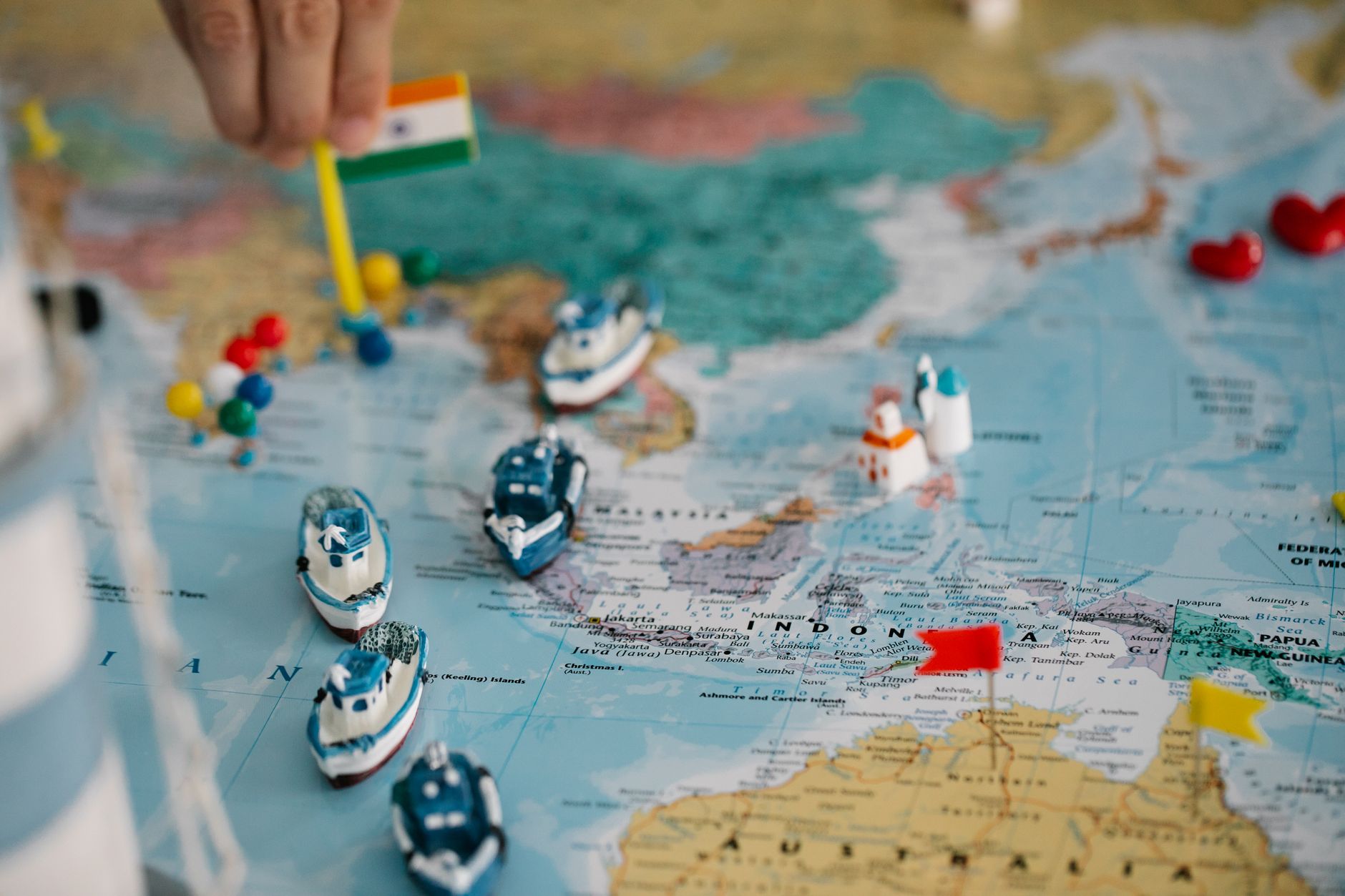
Imagine that you run a successful business in England. Your customers are happy. Your team understands the product. Orders arrive regularly. You know what your competitors are doing, what your customers expect and how long it takes to get paid. Then, one morning, an email arrives. It comes from a company in another country. “We are interested in your products,” the message says. “Can you supply us?” For a moment, the future seems to open. You picture larger orders, new customers and your company name appearing in places you have never traded before. Perhaps this is the opportunity that will take the business to another level. You reply quickly. Then the questions begin. Who is the buyer? How did they find you? What price should you charge? Who will arrange delivery? Will your product meet local rules? How will you be paid? What happens if the customer does not pay? Should you sell directly, or should you find someone in that country to represent you? The exciting email has become a doorway into the unknown. This is where international market entry begins.
A new market is more than a new customer
Entering a new market means selling, operating or building commercial relationships in a country where your business has not worked before. It may begin with one order. It may involve appointing a distributor, opening an office, employing local staff or forming a partnership. In some cases, a business may simply sell from the United Kingdom and send products overseas. There is no single correct way to do it. The danger comes when a business assumes that what works at home will work everywhere else. A customer in another country may use the same product differently. They may expect a lower price, longer payment terms or more personal contact. The law may require different labels, licences or certificates. Delivery may take longer than expected. Money may be difficult or expensive to transfer. The product has crossed a border. The business model must cross with it.
The biggest country is not always the best country
Business owners are often attracted by impressive numbers. A country may have millions of people, a fast-growing economy or a large demand for imported goods. That sounds promising. But large numbers do not automatically produce good opportunities. The real question is not simply, “Is this a large market?” It is, “Can our business compete and succeed there?” A smaller country may be easier to enter. Its customers may have a stronger need for the product. The regulations may be clearer. A suitable partner may already be available. Payments and deliveries may be more reliable. A huge market can consume time and money without producing results. A smaller, carefully chosen market can become the beginning of long-term international growth. Before choosing a country, a business should understand who the customers are, what they buy, how they buy and why they would choose a new overseas supplier.
How will you enter?
Suppose you have found a promising country. You now need a way into it. You could sell directly to customers from England. This may be the simplest way to test demand without making a large investment. You could appoint a distributor. A distributor buys your products and sells them to customers in its own market. A good distributor may already understand the industry and know the right buyers. You could use an agent. An agent introduces customers and helps generate sales, usually in return for commission. You could licence another company to use your product, brand or technology. You could establish a local office or company. This may give you more control, but it also creates more responsibility and cost. The right choice depends on what you sell, how much control you need, how much money you can invest and how quickly you want to grow. Every option involves a trade-off. More control usually requires more money and management. A faster route may require you to depend more heavily on a partner. A cheaper route may limit how closely you can serve customers. International growth is not about finding a perfect option. It is about choosing the most sensible balance.
The hidden journey of a product
A product does not simply leave a warehouse in England and appear neatly on a customer’s desk in another country. It must be packed, documented, transported, cleared through customs, delivered and sometimes stored locally. Import duties or taxes may need to be paid. The customer may require training, maintenance or after-sales support. A delay at one point can affect the entire transaction. The same is true for services. A British consultancy, software company or training provider may not be shipping physical goods, but it must still consider local laws, contracts, payment arrangements, language and customer expectations. The route to the customer must be understood from beginning to end.
Start with questions, not promises
One of the most expensive mistakes in international trade is making commitments too early. A potential partner may ask for exclusive rights to an entire country. A buyer may request a large order on credit. An adviser may promise immediate access to powerful contacts. The desire to move quickly can be strong. But international growth rewards careful curiosity. Who is this person? What does their company actually do? Can the opportunity be verified? What will success require from us? What could go wrong? What information is still missing? These questions do not kill opportunity. They protect it. A strong market-entry plan gives a business room to test, learn and adjust. It may begin with a small number of customers, a limited area or a short trial agreement. The company can then expand after it has seen real evidence of demand.
Growth with open eyes
International trade can transform a business. It can create new income, reduce dependence on one country and connect a company with ideas, skills and relationships it would never encounter at home. But the excitement must be matched by preparation. Entering a new market is not one leap into the dark. It is a series of decisions: where to go, who to serve, how to enter, how to deliver, how to get paid and how much risk to accept. The businesses that ask these questions early are better prepared for what comes next. In future articles, Global-Lincs will explore how to compare countries, choose between distributors and agents, design a route to market and create a practical first 90-day plan. For now, remember this: The first step into a new market is not booking a flight or signing an agreement. It is understanding the ground before you walk on it.
Want help applying this to your market?
Book a consultation or explore our verified marketplace.